Finding a leisure activity that everyone enjoys in a group or family can sometimes be a puzzle. Preferences vary based on age, physical condition, weather, and budget. Instead of listing dozens of options without going into detail, this article focuses on a few categories of leisure activities that cater to very different profiles, with concrete criteria to make the right choice.
Indoor amusement parks: a reliable option when the weather complicates everything
Have you ever canceled an outing due to an unexpected storm? Covered multi-activity complexes solve this problem. The French market for indoor amusement parks is experiencing an annual growth rate of over 15% in the multi-activity segment, with more than 13 million visits per year.
These venues bring together trampolines, obstacle courses, climbing walls, bowling alleys, and sometimes escape games under one roof. The main advantage: each person in the group can choose their activity without everyone being forced to do the same thing.
For families with children of different ages, this is a concrete benefit. A teenager can try a ninja course while a five-year-old has fun on an inflatable structure. By exploring the leisure activities offered by Zetop, one can appreciate the diversity of these options grouped by type of activity and geographical area.
The sector’s revenue is approaching 2 billion euros in France. This growth is partly explained by extreme weather events that push the public towards sheltered activities, both in summer and winter.

Nature activities in the mountains in spring: the underutilized niche
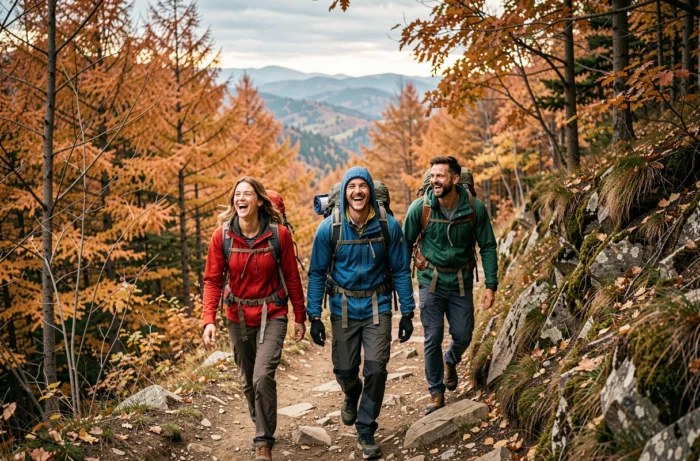
The mountains outside the ski season remain unknown to the general public. However, resorts in the Alps and the Pyrenees are seeing a clear increase in attendance in spring and summer.
Hiking, biking, discovering mountain villages: these activities attract an audience looking for nature stays that are less crowded than traditional summer destinations. France has also surpassed 100 million international visitors in 2024, and indicators show an extension of stays outside the traditional winter and summer peaks.
Why spring changes the game
The trails are accessible without the July crowds. Accommodations are cheaper. The light and temperatures allow for comfortable hiking without suffering from the heat.
For families, spring also offers a logistical advantage: the Easter school holidays fall right within this window. Regional natural parks offer guided outings accessible from the age of six or seven, with various themes (wildlife, geology, botany).
- Guided hiking in a natural park, suitable for children from six years old, with a guide who contextualizes the landscape
- Electric bike rides on mountain pass roads, accessible even without prior intensive training
- Visits to mountain villages and local markets, combining culture and relaxation without physical effort
- Swimming in high-altitude lakes starting from late May in the Pyrenees, a free alternative to water parks
Escape games, creative workshops, spas: urban leisure for opposing profiles
In the city, three categories of activities cover radically different desires. Understanding what distinguishes them helps avoid choosing the wrong outing.
Escape game: the ultimate group leisure activity
An escape game works well when the group shares a desire for a collective challenge. The standard duration of one hour fits tight schedules. The difficulty varies by room, allowing the experience to be tailored to beginner or experienced players.
A common pitfall: booking a room that is too difficult for a mixed group (adults and children). Checking the recommended age range avoids an hour of frustration. Most establishments display a minimum age and a difficulty level on three or four scales.
Creative workshops: when the result matters as much as the moment
Pottery, cooking, painting, cosmetic making workshops: these formats generally last between one and three hours. Their uniqueness lies in the fact that you leave with something tangible.
For children, a cooking workshop or a modeling workshop provides a structured environment that channels energy. For adults, it’s often a way to discover a practice without committing to a regular course.
Spa and wellness: the leisure option we forget to consider
The spa is not reserved for special occasions. A two-hour session with access to pools, hammam, and sauna often costs less than a trip to an amusement park. For a couple or a small group of adults, it’s a relaxing alternative that breaks away from highly stimulating activities.

Concrete criteria for choosing an activity suitable for your group
The choice of a leisure activity does not solely depend on desire. Several practical parameters determine whether the experience will be successful or a failure.
- Composition of the group: a mix of ages points towards multi-activity venues where everyone finds something they enjoy, rather than a single activity
- Available duration: half a day is enough for an escape game or a workshop, but a mountain outing requires a full day, including transport
- Actual budget per person: compare the total cost (transport, meals, activity) and not just the displayed entry price
- Physical level of the least athletic participant: they determine the ceiling of the activity, not the most motivated person in the group
Adapting the choice to the most constrained member of the group remains the most reliable rule. A sporty teenager will still have fun in an indoor park, but a 75-year-old grandparent will not keep up on a red-level treetop adventure course.
The most successful leisure activities share a common point: they allow each participant some margin of choice within the activity. A multi-activity complex, a mountain resort with trails of varying levels, or a city with cultural and sports options all meet this criterion. The rest depends on the calendar and the weather of the day.