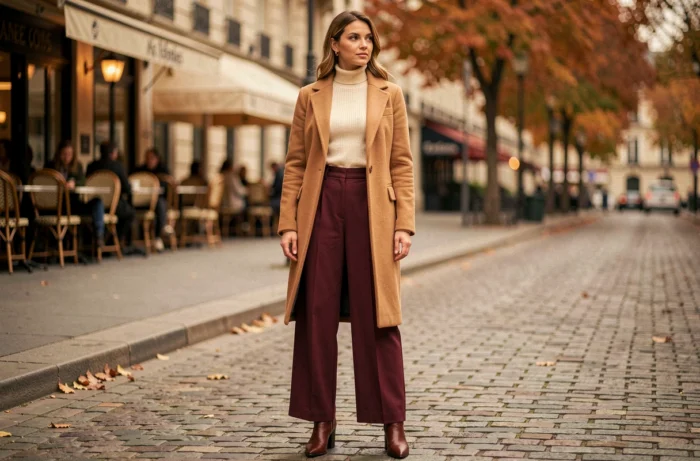
Each new season brings its share of pieces presented as essential. The trap would be to buy everything without considering what actually works in your daily life. This season’s women’s fashion trends are distinguished by a common thread: European regulations are pushing brands to design more sustainable clothing, which is changing the very nature of the key pieces offered in stores.
European Textile Regulation and Its Effect on Women’s Fashion Trends
Have you noticed that some brands are offering fewer micro-collections than they did two years ago? This change is not a coincidence. The European regulation on the eco-design of sustainable products (ESPR) now governs the management of unsold clothing. For large companies, the ban on destroying unsold textiles comes into effect on July 19, 2026.
This legal framework has direct repercussions on what you find on the shelves. Brands are extending the commercial lifespan of their key pieces. They are developing more permanent collections and so-called “important” lines. The result: the pieces presented as must-haves this season are designed to last several seasons, not just a few weeks.
The revised directive on textile waste (Directive EU 2025/1892), which came into effect on October 16, 2025, also imposes extended producer responsibility systems on member states. Brands must incorporate the end-of-life cost of the garment from its design stage. This concerns you because the materials and cuts offered prioritize longevity over fashion trends.
When looking for pieces to adopt this season, you can explore Mimi La Cocotte to spot lines that integrate this logic of sustainable wardrobe without sacrificing style.
Autumn-Winter Color Palette: Choosing Shades That Transcend Seasons
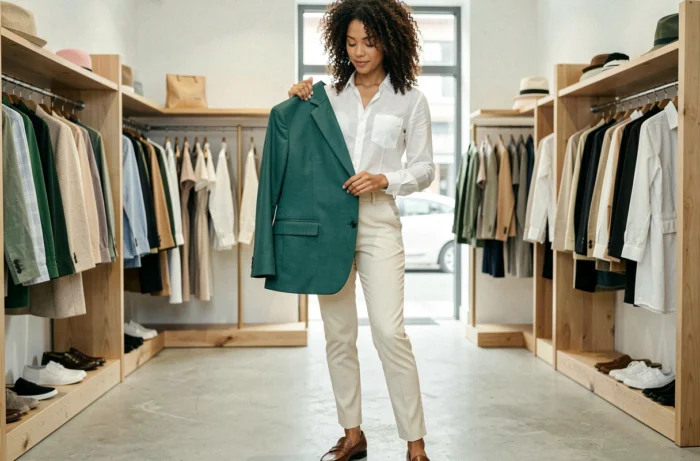
The choice of colors often makes the difference between a look that quickly dates and an outfit that remains relevant. This season, the trend is not towards a single color imposed on everyone, but towards color families that are versatile enough to be combined with one another.
Warm and Natural Tones for a Bold Autumn Style
Terracotta, camel, and chocolate brown hues dominate the autumn-winter collections. Their concrete advantage: they pair well with each other and with black or off-white. A camel jacket worn with raw jeans works just as well in the office as it does for a night out.
Natural colors remain wearable for several seasons in a row, which aligns with the sustainable wardrobe logic. Olive green and burgundy complete this palette without overwhelming it.
Bright Color Accents to Break the Neutrality
Red remains a safe bet to bring energy to a sober outfit. An accessory, a sweater, or a pair of shoes is enough. Butter yellow, spotted in several spring-summer 2026 collections, is starting to appear in transitional autumn pieces, particularly on scarves and bags.
The principle to remember: one colorful piece per outfit avoids the costume effect and allows for recycling the piece in other combinations.
Women’s Fashion Pieces to Prioritize for a Unique Look This Season
Rather than listing ten garments, let’s focus on three categories of pieces that deserve thoughtful investment.
A Well-Chosen Jean is Worth More Than Three Trendy Pants
The jean remains the most worn and sought-after piece in women’s fashion. The cut that stands out this season is the wide-leg jean with a defined waist. Why this choice? It structures the silhouette without restricting movement.
Opt for a sufficiently dense fabric so that the material drapes well. A quality jean worn two hundred times costs less per use than a trendy pant worn five times. This is exactly the type of reasoning that European regulation encourages among manufacturers.
Structured Jacket: The Piece That Transforms a Basic Look
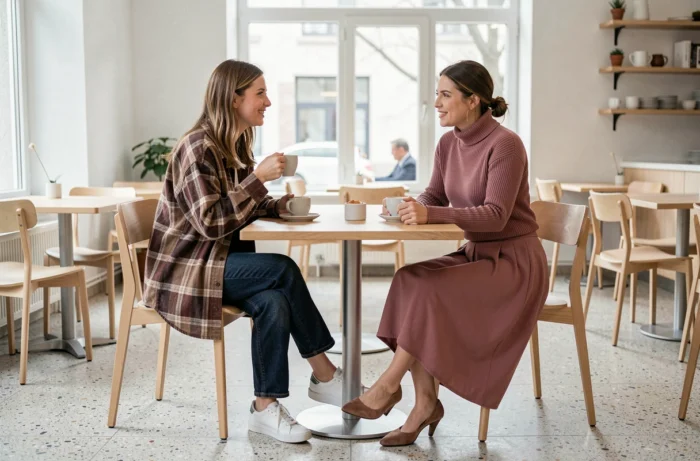
A white t-shirt, jeans, and a well-tailored jacket: this combination has worked for decades. The novelty this season lies in the finishes. Short jackets with detailed collars or contrasting buttons add character without complicating the outfit.
A structured jacket transforms a casual ensemble into a chic outfit in less than thirty seconds. This is the definition of a worthwhile piece in a wardrobe.
The Long Flowing Dress: The Ultimate Transitional Piece
Worn with ankle boots and a thin sweater in autumn, or with flat sandals in summer, the long flowing dress adapts to various contexts. The 2026 collections feature it in natural materials (linen, cotton, blends with recycled fibers) that meet the new eco-design requirements.
Choose a straight or slightly flared cut in a neutral color. You can wear it with a thin belt to accentuate the waist or let it fall freely depending on the occasion.
Building a Sustainable Personal Style Rather Than Following Every Micro-Trend
The classic trap is to buy a piece because it’s everywhere on social media, only to discard it after a few weeks. European regulation is pushing brands to limit this cycle, but the final choice is yours.
Here are concrete criteria to assess whether a piece deserves a place in your wardrobe:
- It can be combined with at least three other garments you already own, without additional purchases.
- Its material withstands multiple washes without deforming or losing its color. Check the label: blends with a high percentage of natural fibers age better.
- Its cut suits your body shape, not just that of the model in the photo. A garment that fits you well is worn more often.
- It is not purchased solely to “be on trend.” If you like it regardless of what magazines say, that’s a good sign.
A wardrobe of twenty well-chosen pieces dresses better than an overflowing closet. This season’s women’s fashion trends facilitate this approach because the pieces offered are designed to last longer than before.
The European regulatory framework is gradually reshaping the textile offer. Permanent collections are gaining ground over ephemeral capsules. For your look, this means less pressure to renew and more freedom to build a style that truly reflects you, season after season.